Plant motifs have remained on-trend in interior decoration for several seasons. No wonder - greenery, leaves, flowers, and inspirations drawn from nature bring freshness, harmony, and a cozy character into the home. Not everyone, however, has the time, patience, or the right conditions to care for potted plants. Dark rooms, frequent trips, dry air, or lack of experience can make living plants, instead of pleasing the eye, become yet another chore.
Fortunately, a botanical arrangement doesn’t have to be built exclusively with live greenery. Botanical decorations work perfectly in the living room, bedroom, or hallway alike. They can be subtle and delicate or expressive, inspired by an urban jungle vibe. It’s an excellent way to create a space with natural charm that adds energy and positively affects your well-being.
Plant patterns - the simplest way to a green makeover
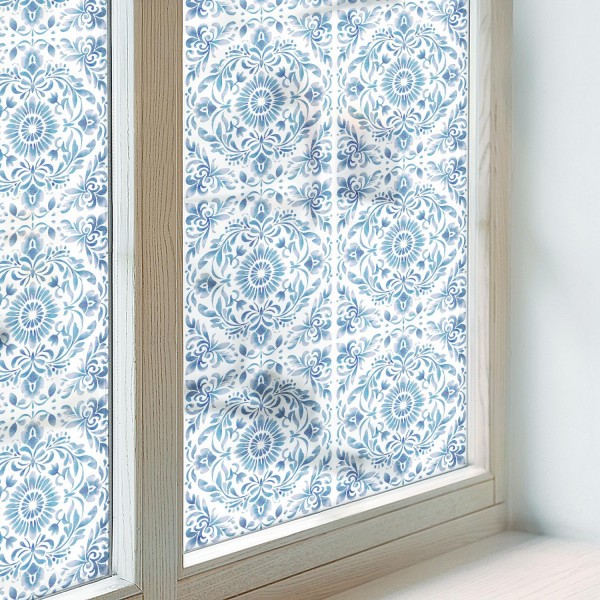
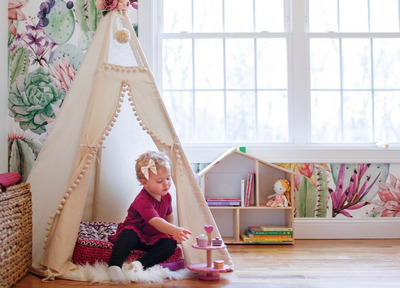
Walls have a huge impact on the character of an interior. They often determine whether a space feels calm, dynamic, elegant, or light. Therefore, if you want to invite plant motifs into your home without placing pots on every windowsill, start with wall decorations. It’s a quick way to make a visible change without a major renovation or complicated upkeep.
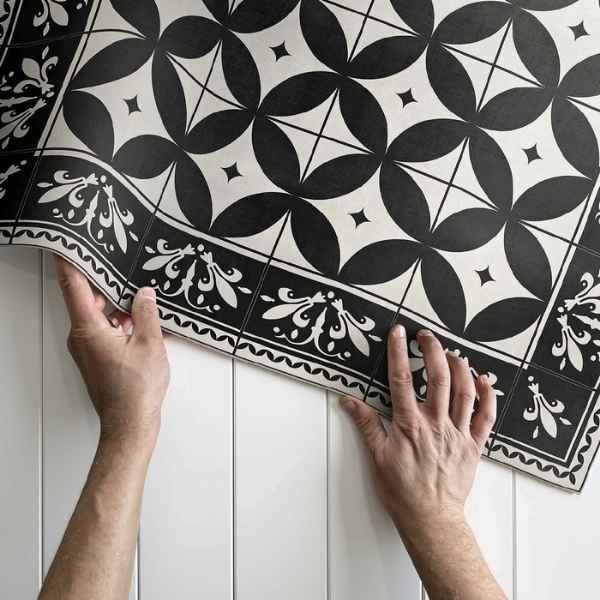
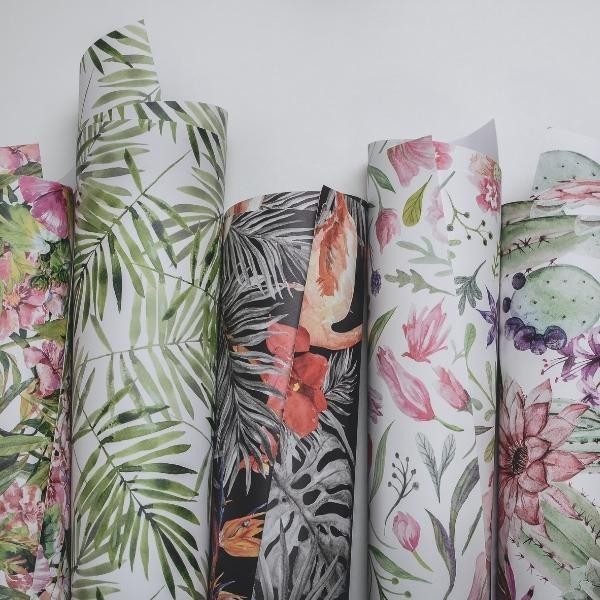
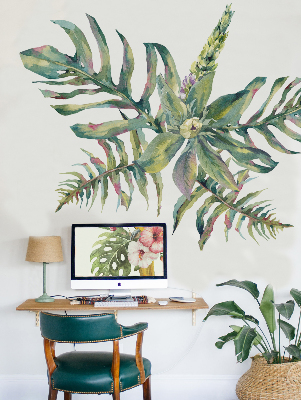
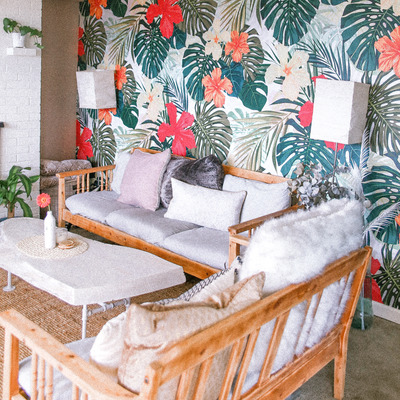
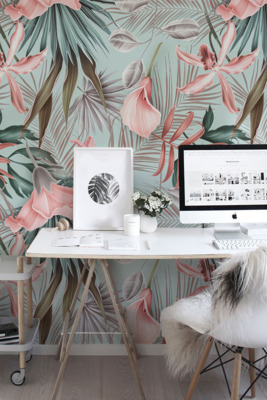
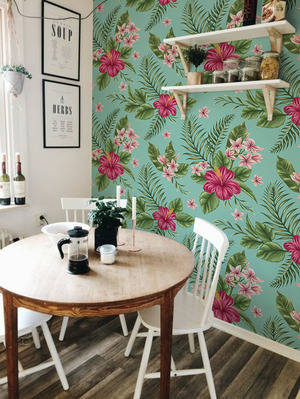
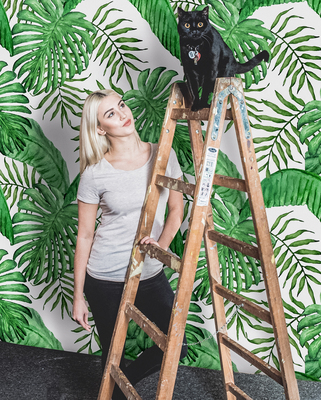
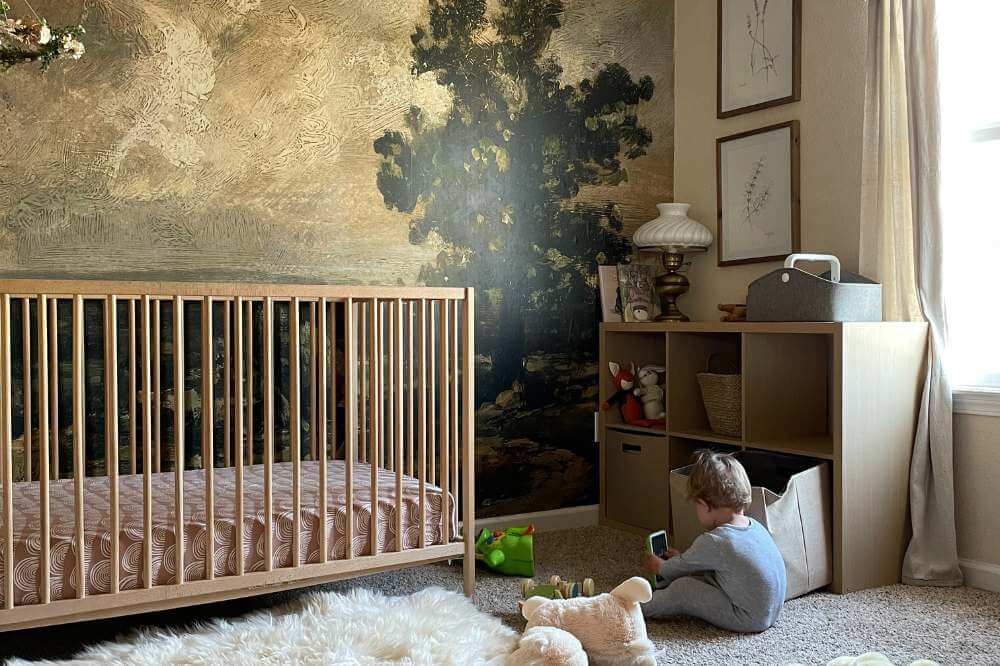
One of the most striking solutions is wallpapers with a botanical pattern. They can depict delicate leaves, small flowers, tropical compositions, or bold plant patterns in shades of green, beige, gray, and brown. A wallpaper with a monstera leaf motif behind the sofa in the living room can become the focal point of the arrangement, while a subtle fern pattern in the bedroom will bring calm and softness to the space. In small interiors, it’s worth choosing lighter shades and finer motifs that won’t overwhelm the room.
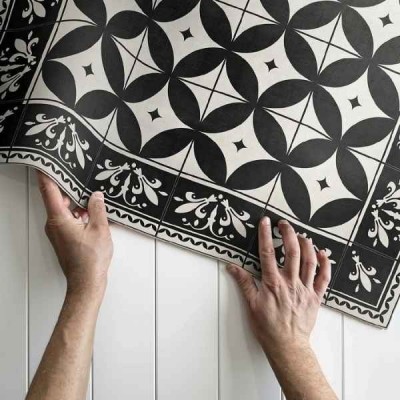
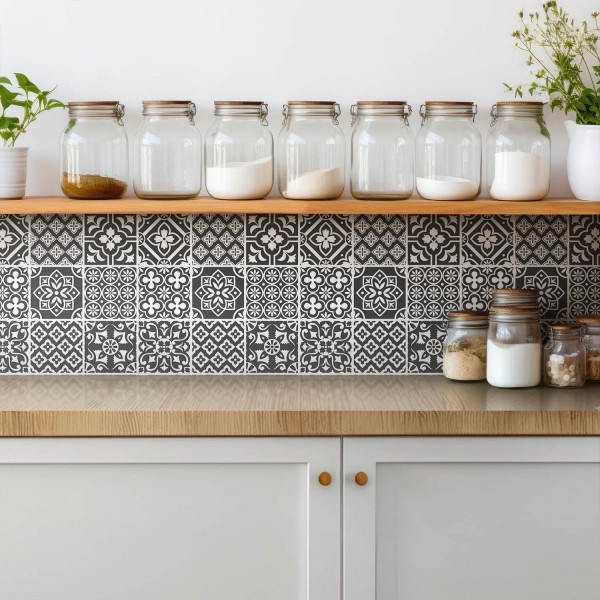
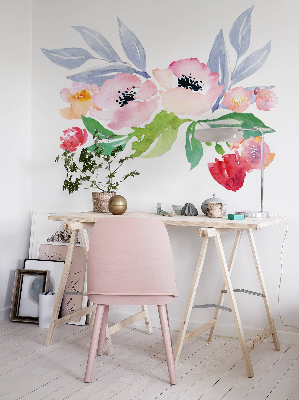
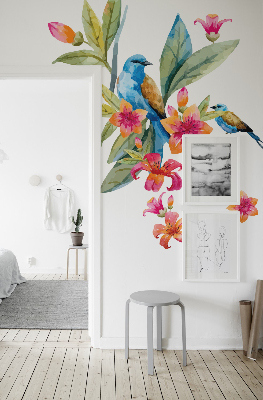
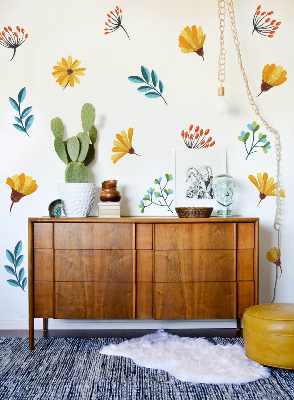
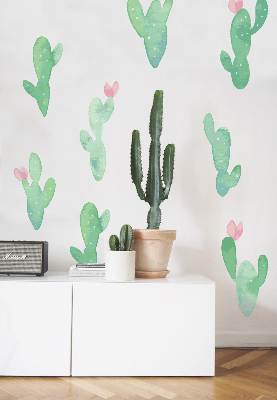
An interesting alternative is wall stickers, ideal decorations for people who like frequent changes. Decorations with leaves, branches, or flowers can be placed above a desk, by the bed, next to a mirror, or in a cozy reading nook. They are also a good choice for rented apartments because they give the interior a personal touch without permanently altering the walls. Such decorations add charm while remaining visually light and easy to match with different styles.
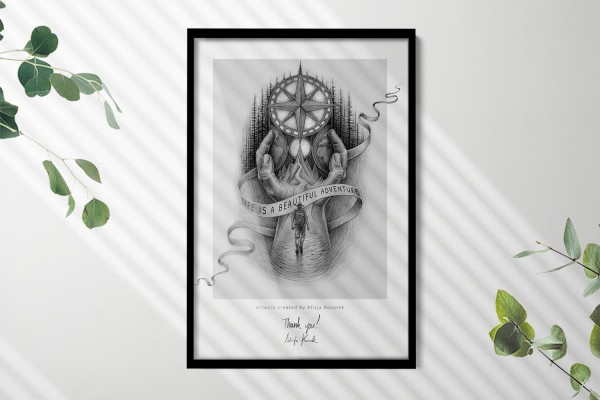
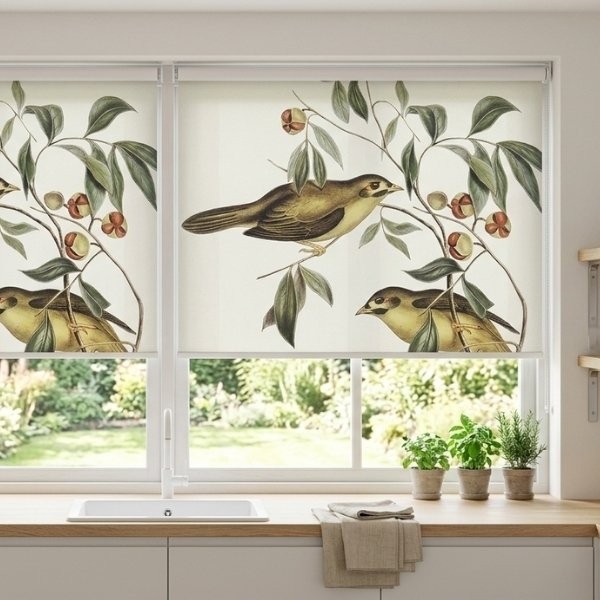
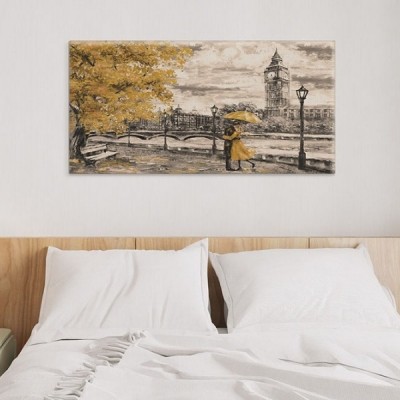
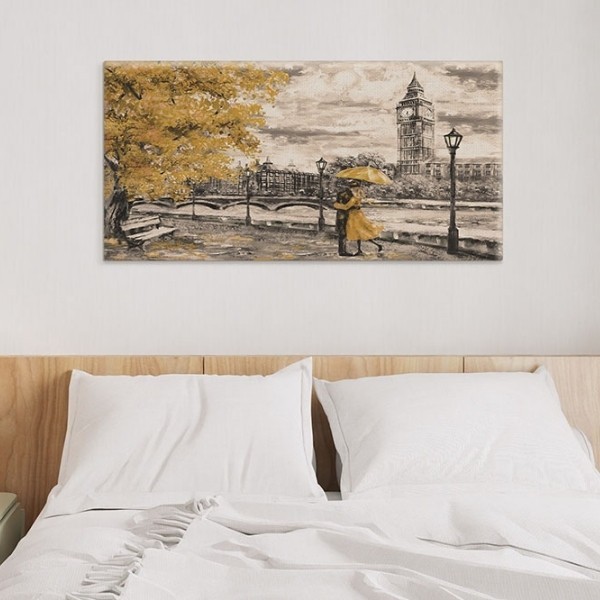
In a botanical arrangement, canvas prints, posters, and graphics inspired by nature also work beautifully. You can create a gallery wall with illustrations of leaves, flowers, palms, or exotic plants, pairing them with wooden frames or rattan accents. Art with green accents is an ideal addition to interiors decorated in Scandinavian, boho, modern, or classic styles. Just a few well-chosen decorations can make an ordinary wall resemble a tranquil garden and refresh the entire room.
Nature-inspired colors, or greenery without plant pots
Color is one of the simplest ways to introduce a nature-inspired atmosphere into your home. You don’t have to create a home jungle or buy many potted plants to make the interiors calmer, fresher, and more harmonious. All you need is a well-chosen color palette that evokes a forest, garden, meadow, or tropical vegetation.
In botanical arrangements, green is of course especially important. It can appear in many variations - from light sage, through olive tones, to the deep hue known as bottle green. Lighter tones work great in small rooms because they add lightness and don’t visually shrink the space. Darker green, on the other hand, introduces elegance, depth, and a more expressive ambiance, especially in the living room, dining room, or bedroom.
If you want to subtly refresh your living room, you can opt for one green accent wall, olive-colored curtains, or decorative cushions on the sofa. Throws, rugs, and smaller accessories that can be easily swapped with the seasons are also a good idea. This way, botanical motifs appear naturally in the arrangement without feeling overdone.
It’s worth combining green with earth tones. Beiges, warm browns, off-white, sandy shades, and soft grays bring balance and a calm rhythm to interiors. This palette pairs well with wood, ceramics, linen, and cotton, making it an excellent base for botanical-style decorations. If you want a more elegant effect, you can add accents of gold, black, or smoked glass.

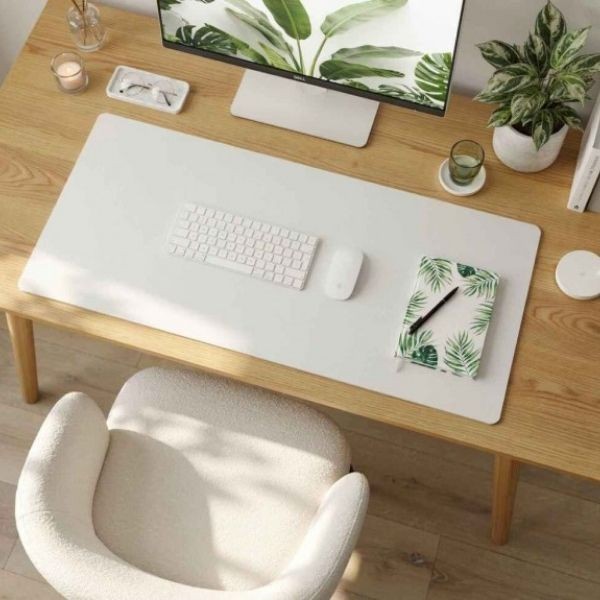
Nature-inspired colors also have a positive effect on well-being. Green is associated with relaxation, freshness, and calm, which makes it perfect for spaces dedicated to unwinding. In the bedroom it can help create a soothing atmosphere, in a home office it promotes focus, and in the living room it builds a cozy character. That’s why the botanical style is so popular in interior decoration - it lets you bring a touch of nature home, even when there are no live plants.
Textiles with plant patterns that warm up the space
Textiles are among those elements that can transform an interior almost instantly. It is fabrics that give rooms softness, warmth, and a cozy character. In a nature-inspired arrangement, they can be a subtle backdrop or the main highlight, especially if you choose plant patterns, flowers, leaves, ferns, palms, or delicate botanical compositions.
The easiest place to start is with cushions. A few cushion covers with monstera leaves, eucalyptus sprigs, or small flowers can completely change the look of a sofa. In the living room, such decorations add charm and make the space more inviting. Importantly, cushions are easy to swap, making them perfect for people who like to refresh interiors without high costs.
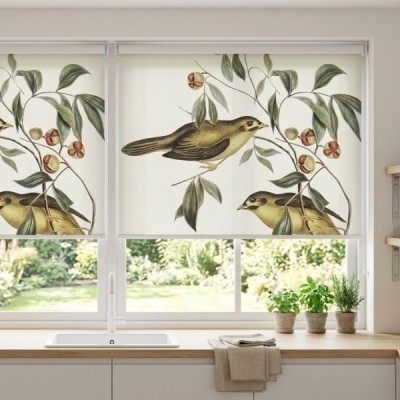
Curtains also play a big role. Models with a delicate botanical print bring lightness to the room, while heavier fabrics in bottle green add elegance to the arrangement.
In the bedroom, bedspreads, bedding, and throws inspired by plant life work wonderfully. Plant motifs on fabrics don’t have to be intense or very colorful. Sometimes a delicate leaf pattern in shades of beige, green, and gray is enough to give the room a calm, natural charm. Such solutions are especially well suited to interiors dominated by wood, natural materials, and simple forms.
Textiles also make it easy to tailor the botanical style to your home’s character. If you like an urban jungle vibe, go for large, bold leaves, tropical patterns, and intense greens. If you prefer subtle elegance, choose small plant patterns, light fabrics, and soft, muted tones. In a boho style, linen curtains, cotton throws, and cushions with botanical embroidery fit beautifully, while in modern interiors it’s worth using simple patterns, a limited color palette, and high-quality materials.
Natural materials and botanical decorations that amplify the botanical vibe
A botanical arrangement isn’t based solely on green and patterns. Equally important are natural materials that make interiors look cohesive, warm, and authentic. They create the backdrop for plant decorations, soften bold motifs, and help build a nature-inspired space even if there are no live plants.
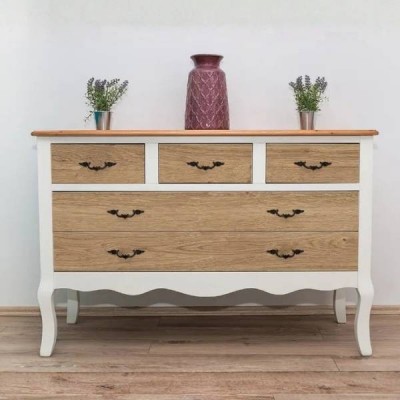
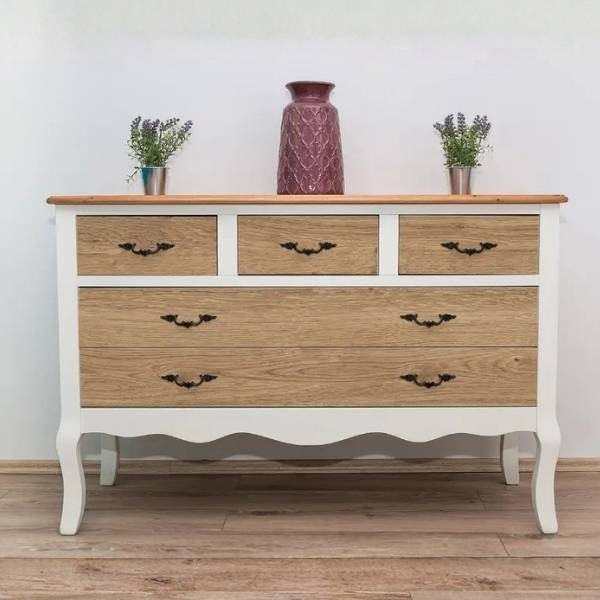
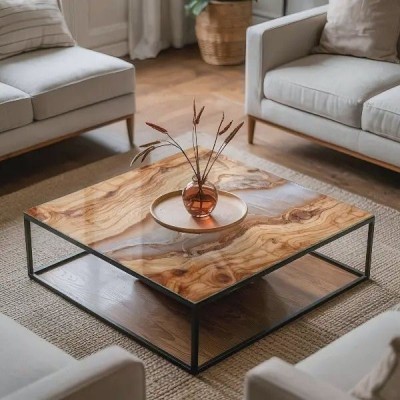
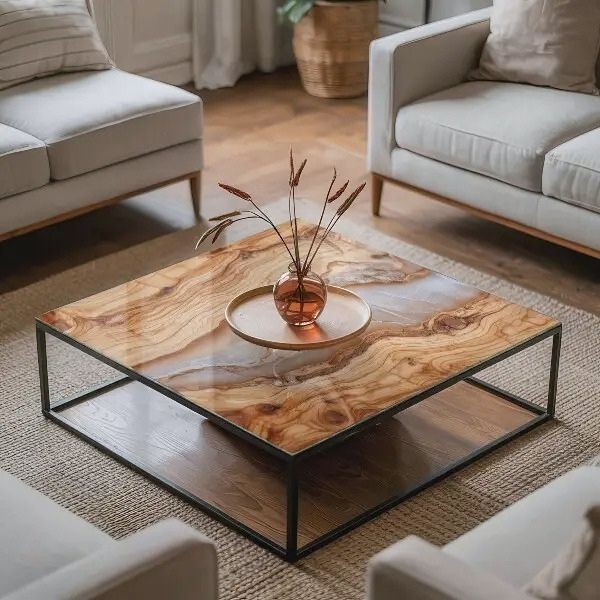
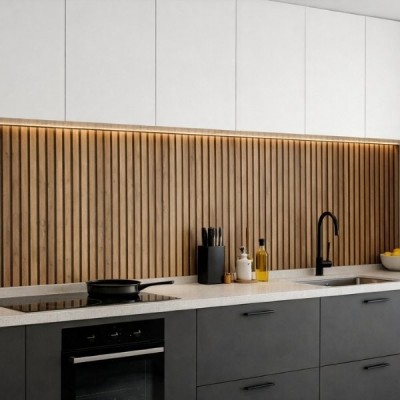
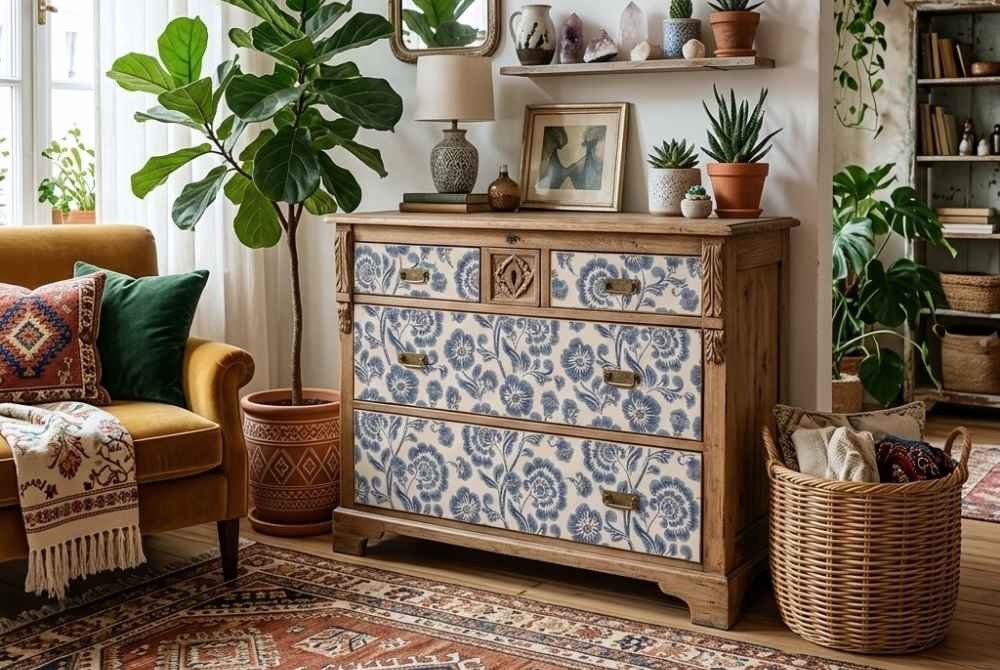
The best starting point is wood. A wooden sideboard, coffee table, mirror frame, or shelves in the living room instantly introduce natural charm. Wood pairs beautifully with green, beiges, grays, and white, so it suits both calm Scandinavian arrangements and more expressive urban jungle spaces. In your living room, you can combine wooden furniture with decorations depicting leaves, palms, or flowers to achieve a cozy yet still elegant effect.
It’s also worth reaching for rattan, wicker, bamboo, linen, cotton, and jute. Baskets made of natural weaves, linen curtains, cotton cushions, a jute rug, or a rattan armchair work perfectly as complementary elements to botanical decorations. Such accents don’t compete with plant patterns but gently highlight them. Thanks to these additions, the arrangement becomes softer, more layered, and pleasant in everyday use.
Ceramic and glass decorations also matter. Ceramic vases in shades of green, beige, or off-white can become stand-alone accents on a sideboard, table, or windowsill. They don’t have to be filled with live plants - they look just as good with dried grasses, faux branches, decorative leaves, or as minimalist compositions arranged in a group.
Balance is key in a botanical arrangement. Too many plant patterns, colors, and decorations can overwhelm a room, so it’s worth composing accessories thoughtfully. If a bold wallpaper adorns a wall, the remaining elements can be calmer. Conversely, if the interior is neutral, you can opt for more decorative art, textiles, or ceramic accents. This way, the overall look will be harmonious rather than accidental.
Natural materials have another advantage - they’re timeless. Interior design trends change, but wood, linen, ceramics, and wicker remain fashionable and universal for a long time. It’s a good direction if you want to create a botanical interior that won’t bore you after one season and will look good both in summer and winter.
Artificial potted plants and green accents without the chores
Although this article focuses on arrangements without the need to care for live plants, that doesn’t mean you have to forgo greenery in the form of three-dimensional decorations. Modern artificial plants look much better than their former counterparts. Well-chosen ferns, succulents, palms, ornamental grasses, or eucalyptus branches can bring freshness and a natural vibe into your home without watering, fertilizing, or searching for the right spot.
It’s an ideal solution for rooms where it’s hard to keep potted plants. A dark hallway, a bathroom without a window, a shelf away from light, or an office where temperatures fluctuate don’t always provide suitable conditions for live plants. Artificial counterparts let you bypass this problem and adapt decorations to the place, not the other way around. This way, you don’t have to analyze the conditions in your home or worry whether a given plant will survive.
It’s worth choosing high-quality artificial plants with natural-looking leaf finishes and subdued colors. Material that’s too shiny can look unnatural, so it’s better to opt for matte models with varied shades of green. Compositions of several species look particularly good - for example, succulents in a ceramic bowl, ferns in a wicker basket, or tall palms placed in a living room corner. Such decorations add charm and require no care other than occasional dusting.
You can also combine artificial plants with other elements of a botanical arrangement. A trailing plant hung by a bookcase looks good alongside leaf-themed graphics, and green branches in a vase beautifully complement nature-inspired art, wallpapers, and textiles. This creates a cohesive composition in which plants are visually present but don’t require daily attention.
Dried flowers, pampas grass, cotton stems, and decorative leaves are also a good idea. Such compositions have a subtle, slightly artistic character and work great in boho, rustic, and modern interiors. You can place them in a ceramic vase on a table, sideboard, or console table in the hallway. Combined with wood, natural fabrics, and neutral colors, they create a calm, elegant arrangement for a long time.
Botanical freshness without daily care
Botanical motifs have something special - they can calm a space, add lightness, and make a home feel closer to nature. You don’t have to turn your apartment into a demanding plant collection to achieve this effect. Sometimes all it takes is a well-chosen color, a soft fabric, a decorative pattern, or a few natural accents that subtly change the atmosphere of the interior.
This is where the true power of arrangement lies. A botanical vibe can be delicate, elegant, tropical, or very modern - the most important thing is that it suits your lifestyle and makes everyday time at home more pleasant. This way, you can enjoy the freshness of greenery, natural charm, and nature-inspired calm without additional responsibilities.